Lockheed Martin Corporation and QuinteQ Energy to build energy resilience in the Port of Odesa
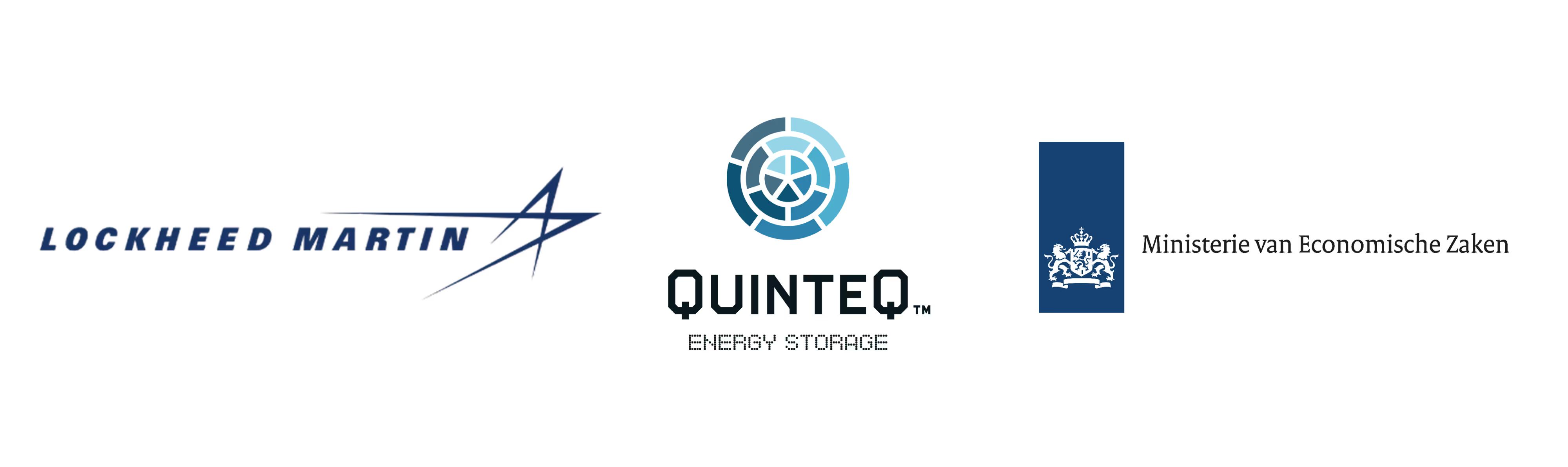
Driven by Ukraine’s energy resilience challenges and recognizing the strategic importance of the Port of Odesa as a critical international logistics hub, Lockheed Martin Corporation from the USA, (LMC) and QuinteQ Energy from the Netherlands, (QuinteQ) are set to introduce decentralized energy solutions tailored to the Port of Odesa to ensure the port remains operational, secure and cost-effective under all conditions. In a joint effort, supported by the Industrial Cooperation Policy of the Dutch Ministry of Economic Affairs, the consortium will develop a grid-connected microgrid that combines the low-cost energy supplied by the national grid with the capability to operate independently during disruptions, ensuring energy resilience and continuity of port operations.
Ukrainian Ports are a vital part to the country’s logistics infrastructure, serving both civilian as well as military purposes. However, attacks on Ukrainian energy infrastructure create a crippling effect on the continuity of logistics. The ports in Odesa are working around the clock to try and keep down-time to a minimum, while engineers from the power companies are working hard to keep up with the damages to the energy infrastructure. This initiative will be a force multiplier to their efforts.
While currently still relying on fossil fuels, Ukraine seeks to reduce reliance on foreign energy, and is keen on tapping into its huge potential of renewable energy sources, especially wind and solar power. Moreover, Ukraine is developing its reconstruction plans in line with the EU's green directives, so integration of clean and efficient capabilities will be key to meet those mandates, especially in some of the many fossil fuel intensive operations at ports, rail, and heavy industry centers. Restoring the energy system in Ukraine through decentralized, grid-connected microgrids that can also operate in island-mode will greatly enhance Ukraine’s energy resilience while laying the foundation for a clean and smart low-emission energy system in the future.
LMC and QuinteQ have recognized an opportunity to aid the port through energy resilience, and have joined forces to design and build a port-tailored microgrid, with a focus on uptime and low running cost due to the conflict. Currently, the country deploys a multitude of gas or diesel generators to react to power outages.
LMC and QuinteQ want to take this a step further, combining QuinteQ’s knowledge of port power challenges and energy storage with other Dutch solution providers and local partners, to create a solution that can support the country now, but also gear it towards the demands of the future. Parties are in advanced conversations with key Terminal Operators and end-users in Odesa to define needs, requirements and ensure project planning and execution is aligned with the ultimate end-user in Ukraine.
The project is set to start in 2026, with installations aiming to be completed in 2026/2027. The project consortium will build on reputable partners of Dutch solution providers and will closely collaborate with local end-users and local Ukrainian partners for installation and maintenance.
This project could not have been realized without the support of the Dutch Government, especially the Commissariat for Military Production (CMP), part of the Ministry of Economic Affairs, who facilitated project funding through an Industrial Participation Agreement with LMC. A win for Dutch government and industry, a win for LMC and most importantly, a win for the people of Ukraine.
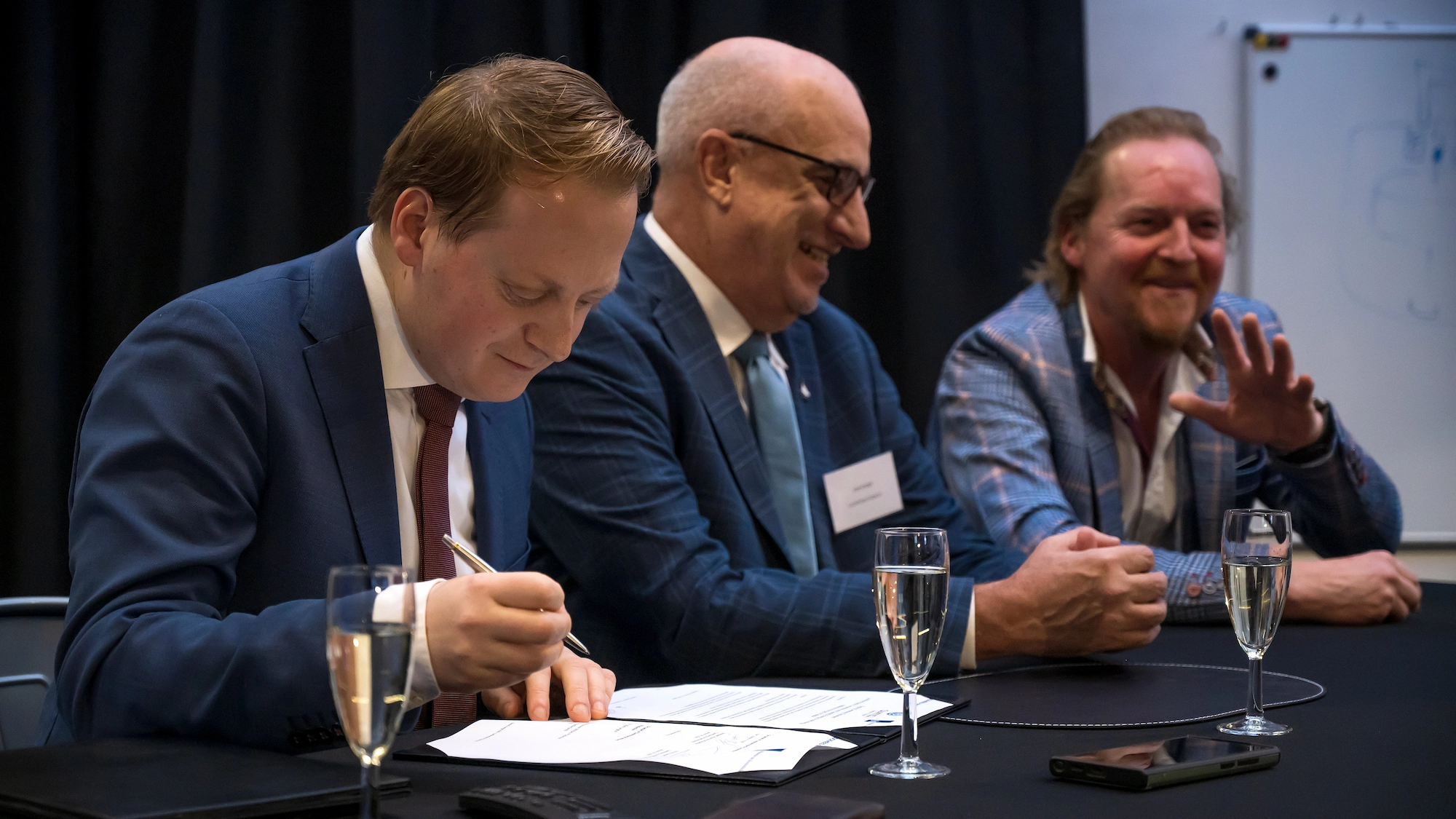
Mark Lengton, deputy Commissioner Military Production, underlines the importance: ‘By supporting this project through our Industrial Participation Policy, we directly contribute to our goals in the “Agreement on Security Cooperation between the Netherlands and Ukraine”: to help (re)build Ukraine and support the Netherlands Defence Technological and Industrial Base (NLDTIB) in doing so. Furthermore, the Commissariat supports an urgent need to facilitate (military) logistics in the port of Odesa. This has become even more urgent after recent airstrikes in Odesa and their impact on the Ukrainian energy infrastructure. I am thankful to Lockheed Martin and the industry partners for making this happen.’
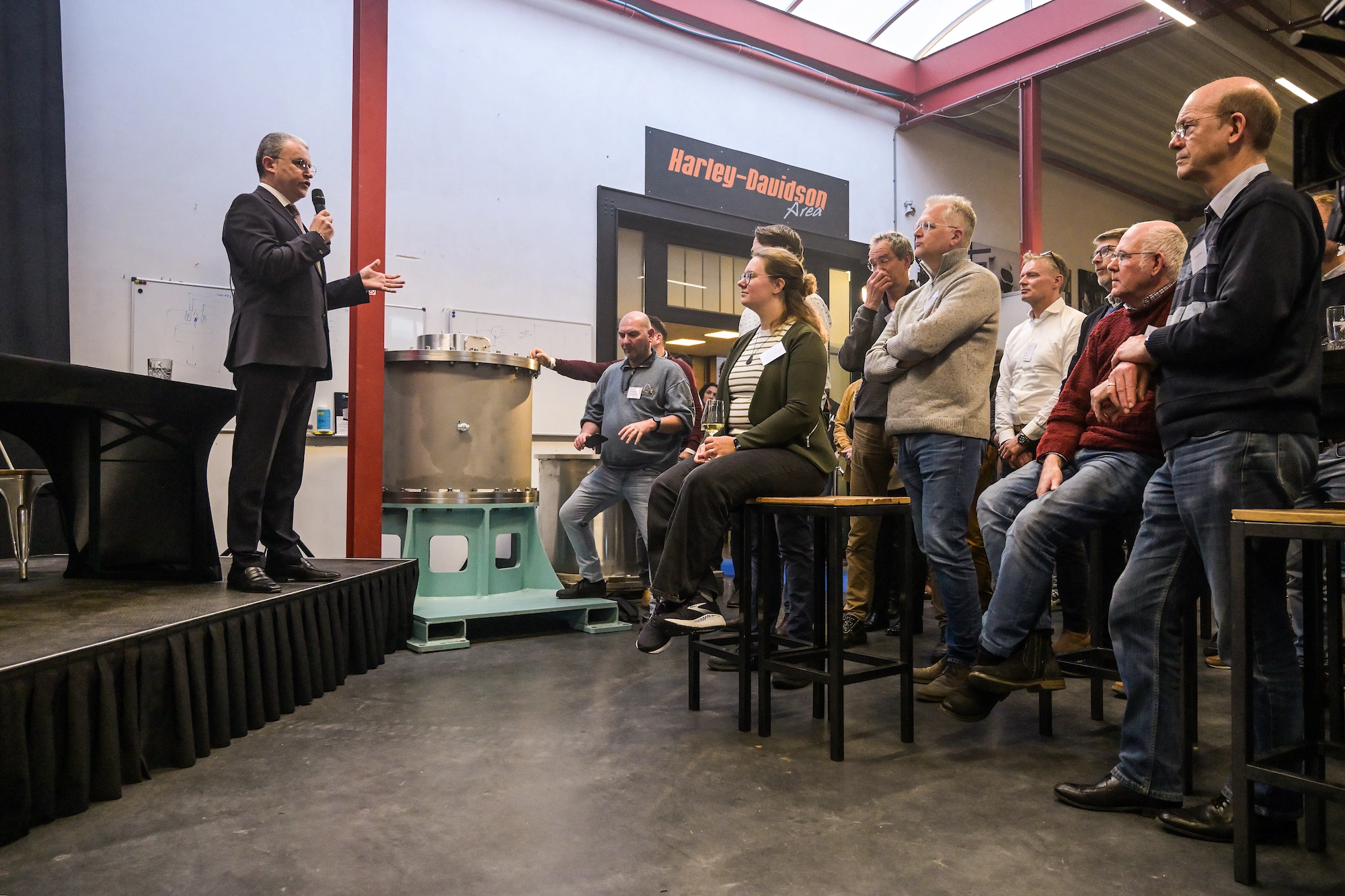
Paul Vosbeek, CEO & Founder at QuinteQ Energy explains: ‘QuinteQ is a mission-driven company that is focused on developing energy solutions to empower the Energy Transition. At the same time, we are aware of the geopolitical challenges facing the world and Ukraine in particular and we feel urged to support Ukraine to the best of our ability. With this project, QuinteQ and partners will combine and contribute their expertise and world-leading solutions to build a more resilient Ukraine for near- and long-term energy needs. At the same time, this project is strategic to QuinteQ’s international port market development and puts our unique flywheel solution on the map as a key-enabler for ports across the globe to optimize their power infrastructure and achieve their electrification targets.’

About Lockheed Martin: Lockheed Martin is a global aerospace, defense, and security company that designs, manufactures, and supports advanced technology systems and products, including aircraft, missiles, naval systems, and satellites.The company's work involves research, development, and integration of aerospace and defense products, as well as providing a range of services like management, engineering, and cybersecurity.
About QuinteQ Energy: QuinteQ Energy is a Dutch clean-tech company specializing in advanced flywheel energy storage solutions and sodium-ion battery systems. The flywheel solution offers near-limitless cycling and ultra-fast response times, whereas their sodium-ion battery systems provide energy capacity with low cost, based on a European supply chain. QuinteQ focuses on industrial applications such as port electrification, (military) microgrids, data centers and construction sites to support the global energy transition.
About Commissariat for Military Production: The Dutch defence and security industry sells military goods, such as ships and radar equipment, to the Ministry of Defence. It also exports goods worth approximately € 1.5 billion every year. The Commissariat for Military Production (CMP) helps the companies concerned by putting them in touch with potential buyers. The CMP is part of the Ministry of Economic Affairs. The government also promotes the participation of Dutch companies in international cooperation programmes to develop or procure military materiel.